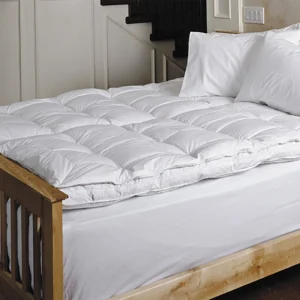
For hotel procurement managers, wholesale distributors, and B2B bedding buyers, knowing when to refresh your bedding set isn’t just about maintaining aesthetics—it’s a critical decision that impacts guest satisfaction, operational costs, and brand reputation. Overused, worn-out bedding leads to negative reviews, increased replacement expenses, and lost business opportunities.
This guide breaks down the science of bedding replacement frequency, tailored to commercial use cases like hotels, resorts, and rental properties. We’ll cover key indicators to refresh your bedding set, material-specific timelines, and wholesale strategies to balance quality and cost-effectiveness.
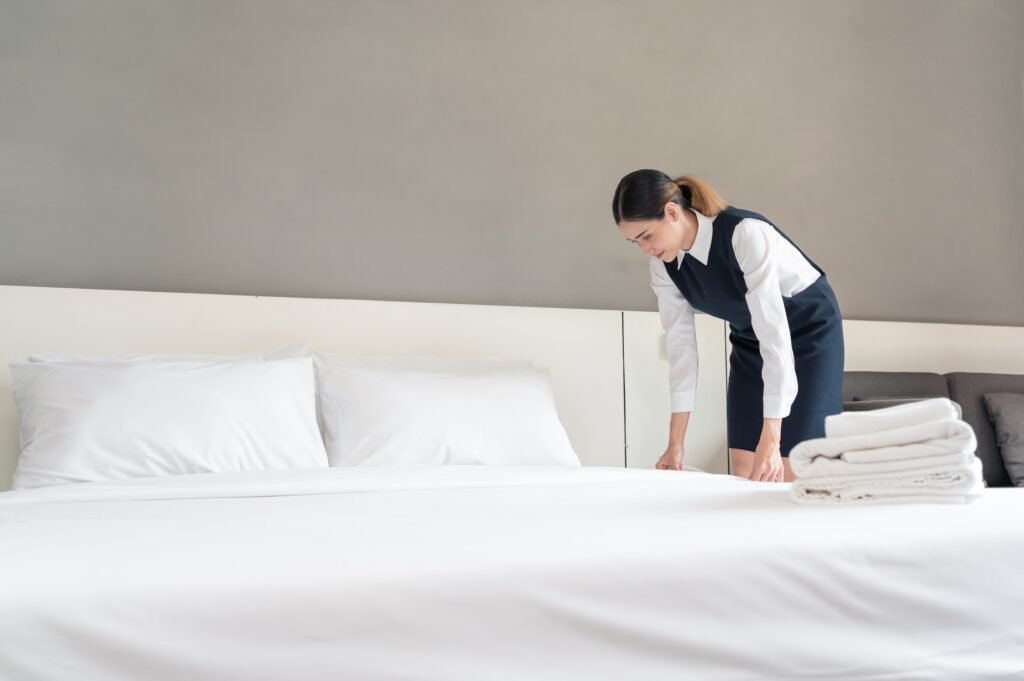
1. Key Signs It’s Time to Refresh Your Bedding Set
Recognizing when to replace bedding is vital for bulk buyers—waiting too long risks guest complaints, while replacing prematurely wastes budget. Here are the non-negotiable signs to refresh your bedding set:
- Visible Wear & Tear: Frayed edges, loose threads, or holes (common in high-traffic hotels with 500+ guest nights/year); fading colors (especially after 50+ commercial washes) that clash with brand aesthetics; pilling on fabric surfaces (a top complaint in budget hotels using low-quality microfiber).
Wholesale Insight: For hotels, refresh your bedding set proactively if 30% of your inventory shows these signs—avoid waiting for guest feedback.
- Hygiene & Health Concerns: Persistent stains (coffee, sweat, makeup) that resist commercial laundering (a hygiene red flag for guests); mold or mildew growth (common in humid climates if bedding isn’t dried properly); increased allergy complaints (old bedding harbors dust mites, even with regular washing).
B2B Priority: Refresh your bedding set every 12–18 months for high-occupancy properties to meet health standards (OEKO-TEX Class II certified products reduce this risk).
- Comfort & Performance Decline: Loss of softness (cotton bedding becomes stiff, microfiber loses plushness); mattress protectors or pillowcases no longer fit snugly (stretched elastic); reduced warmth retention (critical for resort bedding in colder regions).
Wholesale Tip: Track guest satisfaction scores—if comfort-related complaints rise by 15%, it’s time to refresh your bedding set.
2. Replacement Frequency by Bedding Type (Commercial Use)
Not all bedding components need to be refreshed at the same time. Use this timeline to plan bulk orders and avoid overstocking:
- Bed Sheets & Pillowcases:
- Cotton (60s/80s long-staple): Refresh every 12–18 months (800+ washes)
- Microfiber: Refresh every 6–12 months (500+ washes)
- Linen: Refresh every 24–36 months (1000+ washes, highest durability)
Wholesale Strategy: Buy in batches (e.g., 30% of inventory every 6 months) to keep stock fresh without full replacement.
- Duvet Covers & Comforters:
- Washable Duvet Covers: Refresh every 18–24 months (commercial use)
- Comforters (Hotel-Grade): Refresh every 3–5 years (if properly protected by duvet covers)
Key Note: For wholesale buyers, opt for detachable duvet covers—they’re easier to refresh individually, reducing long-term costs.
- Mattress Protectors:
- Waterproof TPU Protectors: Refresh every 12 months (TPU layer degrades after frequent washing)
- Cotton Protectors: Refresh every 18 months (maintains breathability longer)
B2B Must-Have: Choose protectors with ISO 9001-certified production—they’re tested for commercial durability, extending time between refreshes.
- Towels & Bath Linens (Complementary Bedding):
- Hotel Towels: Refresh every 6–9 months (high absorbency loss after 300+ washes)
- Bath Mats: Refresh every 6 months (prone to mold and odor in bathrooms)
3. Factors That Impact How Often to Refresh Your Bedding Set
For wholesale buyers, replacement frequency isn’t one-size-fits-all—these variables change the timeline:
- Usage Intensity: High-occupancy hotels (80%+ occupancy) refresh 20% faster than low-occupancy resorts; rental properties (Airbnb/Vrbo) refresh every 6 months (short-term stays mean more washes).
- Laundering Practices: Commercial vs. residential washing—industrial machines (higher heat, harsher detergents) reduce bedding lifespan by 30%.
Wholesale Advice: Provide laundering guidelines to clients—proper care extends time to refresh your bedding set by 15–20%.
- Material Quality: Budget vs. premium materials—40s cotton refreshes 50% faster than 80s long-staple cotton; OEKO-TEX certified fabrics: Rigorous testing ensures longer durability—worth the investment for bulk buyers.
- Brand Standards: Luxury hotels refresh every 12 months to maintain premium guest experience; budget hotels refresh every 18 months (balance cost and quality).
4. Wholesale Strategies to Refresh Your Bedding Set Cost-Effectively
Bulk buyers need to refresh inventory without breaking the bank—here’s how to optimize:
- Negotiate Flexible MOQ for Replacement Orders: Partner with manufacturers that offer low MOQ (50–100 sets) for targeted refreshes (e.g., replacing only sheets, not comforters).
Our Factory Service: We support mixed MOQ orders—refresh your bedding set with custom quantities of sheets, pillowcases, or protectors.
- Choose Durable Materials to Extend Replacement Cycles: Invest in 60s+ cotton or linen blends—they cost 10% more upfront but reduce refresh frequency by 30%; TPU waterproof layers with reinforced stitching (ISO 9001 certified) last longer than standard protectors.
- Seasonal Bulk Purchases: Refresh your bedding set during off-peak seasons (January–February, July–August) for lower wholesale prices and faster lead times.
Wholesale Bonus: Early booking (3 months in advance) gets 5–10% discount on replacement orders.
- OEM/ODM Customization for Brand Consistency: When refreshing, customize bedding with your logo or color scheme—maintain brand identity without full inventory overhaul.
Our Factory Support: Free design mockups for custom bedding, with 18–22 day lead time for bulk refreshes.
5. FAQ (Wholesale Buyer Focused)
How often should hotels refresh their bedding set?
For high-occupancy hotels, refresh sheets/pillowcases every 12–18 months, duvet covers every 18–24 months, and comforters every 3–5 years. Luxury hotels may refresh 20% more frequently to maintain standards.
Can I mix and match bedding types when I refresh my bedding set?
Yes—wholesale buyers often refresh only high-wear items (sheets, pillowcases) while keeping comforters or protectors. We support mixed orders with flexible MOQ.
Do OEKO-TEX certified bedding last longer before needing a refresh?
Absolutely—OEKO-TEX certification requires rigorous durability testing (wash resistance, colorfastness). These fabrics extend the time to refresh your bedding set by 15–20% compared to non-certified options.
What’s the lead time for bulk replacement orders?
For standard sizes (50–500 sets), lead time is 18–22 days. For custom orders (logo, color), lead time is 25–30 days. We offer expedited production for urgent refreshes.
How can I reduce costs when refreshing my bedding set?
Negotiate bulk discounts (10% off for 500+ sets), choose durable materials to extend cycles, and partner with manufacturers that offer mixed MOQ. Our factory provides price matching for repeat replacement orders.

6. Conclusion
Knowing when to refresh your bedding set is a balance of guest satisfaction, durability, and cost—critical for B2B buyers like hotels and distributors. By recognizing key wear signs, following material-specific timelines, and leveraging wholesale strategies (flexible MOQ, durable materials, customization), you can keep inventory fresh without overspending.
As a 10+ year B2B bedding manufacturer, we specialize in replacement orders—offering OEKO-TEX & ISO 9001 certified products, low MOQ, and custom solutions to refresh your bedding set seamlessly. Whether you need targeted replacements or full inventory updates, we ensure quality, on-time delivery, and competitive pricing.
Contact us today to get a custom quote for your next bedding refresh—let’s help you maintain guest satisfaction and operational efficiency.