Understanding the Causes of Yellow Stains on Bed Sheets
Yellow stains on bed sheets are a common issue that many households face. Understanding the underlying causes of these discolorations can help in effectively addressing the problem. One of the primary culprits behind yellow stains is sweat. When people sleep, their bodies can produce perspiration, which contains various salts and minerals. Over time, these components can accumulate on fabric, leading to noticeable stains.
In addition to sweat, body oils also play a significant role in the yellowing process. The natural oils produced by our skin can transfer onto bed sheets, particularly when one sleeps or rests continuously on the same area. These oils, combined with the humidity often present during sleep, can create an environment conducive to the formation of yellow stains.
Another contributing factor is the use of certain skin care products, including lotions, creams, and oils. Many of these products contain ingredients that, while beneficial for skin health, can lead to staining when they come into contact with bed linens. Ingredients such as retinol and vitamin E can leave residues that, when reacted with sweat or body heat, may result in unsightly marks on the sheets.
Finally, the effects of aging fabric cannot be overlooked. As textiles endure multiple washes, the fibers can become weakened or discolored, making them more susceptible to yellowing. This is particularly true for white or light-colored bed sheets that show stains more readily than darker hues. Addressing the root causes of these yellow stains can promote longer-lasting white sheets and contribute to a healthier sleep environment.
Pre-Treatment Techniques to Prepare for Stain Removal
Before tackling the removal of yellow stains from bed sheets, it is imperative to engage in effective pre-treatment techniques. These methods serve to loosen the stubborn stains, thereby enhancing the efficacy of the subsequent washing process. By addressing the stains appropriately beforehand, you increase the chances of achieving brilliant, white bed sheets once again.
One effective approach is spot treatment with various household products. Common substances such as white vinegar, baking soda, or hydrogen peroxide can penetrate and break down the stain’s structure. For instance, applying a paste made from baking soda and water directly to the stain can work wonders. Gently rub the mixture into the fabric for several minutes before allowing it to sit for about 30 minutes, so it can lift the stain effectively.
Another valuable technique is soaking the sheets in a solution designed for brightening fabrics. A mixture of warm water and a small quantity of oxygen bleach is often beneficial for this purpose. Soaking the sheets for at least two hours allows the solution to dissolve the grime, making it easier to wash away the yellow stains during the laundry cycle.
Gentle brushing can be employed as a supplementary method to further assist in stain removal. Using a soft brush, lightly agitate the stained area after applying your chosen treatment. This action can help loosen any remaining residues embedded in the fabric’s fibers, thus allowing for more thorough cleansing during washing.
The importance of these pre-treatment techniques cannot be overstated—they form the cornerstone of effective stain removal. By dedicating a little extra time to prepare the bed sheets properly, you set the stage for achieving the desired results and restoring the original brightness of your bedding.
Choosing the Right Cleaning Agents for Yellow Stains
When tackling yellow stains on bed sheets, selecting the right cleaning agents plays a crucial role in achieving desirable results. Two main categories of cleaning agents can be considered: commercial stain removers and natural alternatives. Each option has its own set of properties and effectiveness.
Commercial stain removers are specifically formulated to target various types of stains. Many of these products include enzymes, which break down stains at a molecular level, making it easier for them to be washed away. When using a commercial product, it is essential to follow the manufacturer’s instructions closely. Typically, you would apply the stain remover directly onto the yellowed area, allow it to sit for a prescribed duration, and then wash the sheets as per the normal washing cycle. Popular brands such as OxiClean and Zout are often praised for their ability to remove stubborn stains, particularly those caused by sweat and body fluids.
On the other hand, natural cleaning agents like vinegar, baking soda, and lemon juice serve as environmentally friendly alternatives. Vinegar acts as a mild acid that can help dissolve stains; its antibacterial properties also contribute to cleaning. To use vinegar, mix one cup with a normal load of laundry. Baking soda is known for its deodorizing capabilities and can also enhance the cleaning power of your detergent. For effective use, combine half a cup of baking soda with your usual laundry detergent. Lemon juice, with its natural bleaching properties, can be effective as well. Mixing lemon juice with equal parts of water and applying it to the stains prior to washing can often yield positive outcomes.
Each of these agents offers unique benefits. It may take some experimentation to determine which works best for your specific situation, but both categories have proven effective in restoring yellowed sheets to their original whiteness. Ultimately, the choice between commercial stain removers and natural alternatives will depend on personal preferences and the specific nature of the stains.
Washing Techniques to Restore Sheet Brightness
To effectively restore the whiteness of yellowed sheets, one must adopt appropriate washing techniques that promote optimal cleaning during the laundry process. Begin by examining the machine settings; it is vital to select the correct cycle based on the fabric type of the sheets. Most cotton and poly-cotton sheets respond well to warm water cycles, while delicate fabrics should be washed on a gentle cycle to avoid damage.
The temperature of the wash plays a crucial role in stain removal. For white sheets, hot water (around 60 degrees Celsius) is often recommended as it helps dissolve dirt and oils that may cause yellowing. However, always check the care label of your sheets to avoid shrinking or fabric damage. Additionally, avoid overcrowding the washing machine as this can inhibit effective cleaning. Too many items in the washer can prevent detergent from reaching all surfaces and can lead to a less satisfying outcome.
Using the right amount of detergent is equally important. To maximize detergent effectiveness, consider using a high-quality detergent designed for whites. Ensure that you follow the packaging instructions for dosage; overusing detergent can leave residues, while underusing may not yield the desired brightening effect. If your sheets are heavily soiled or yellowed, a laundry booster such as baking soda or oxygen bleach can be beneficial. These additives enhance cleaning power while being gentle on fabrics.
Finally, give some thought to the rinse cycle as well. Using a second rinse cycle can help remove any lingering detergent residues, which can dull the appearance of sheets, maintaining their brightness. By following these techniques, yellowed sheets can regain their original white appearance, ensuring a clean and fresh sleeping environment.
Drying Methods for Whiter Sheets
Maintaining the bright whiteness of your bed sheets extends beyond the washing process; the drying technique also plays a crucial role in preventing yellow stains from forming. There are two primary methods for drying sheets: air drying and using a dryer. Each method has its advantages and certain considerations to enhance the whiteness of your linens.
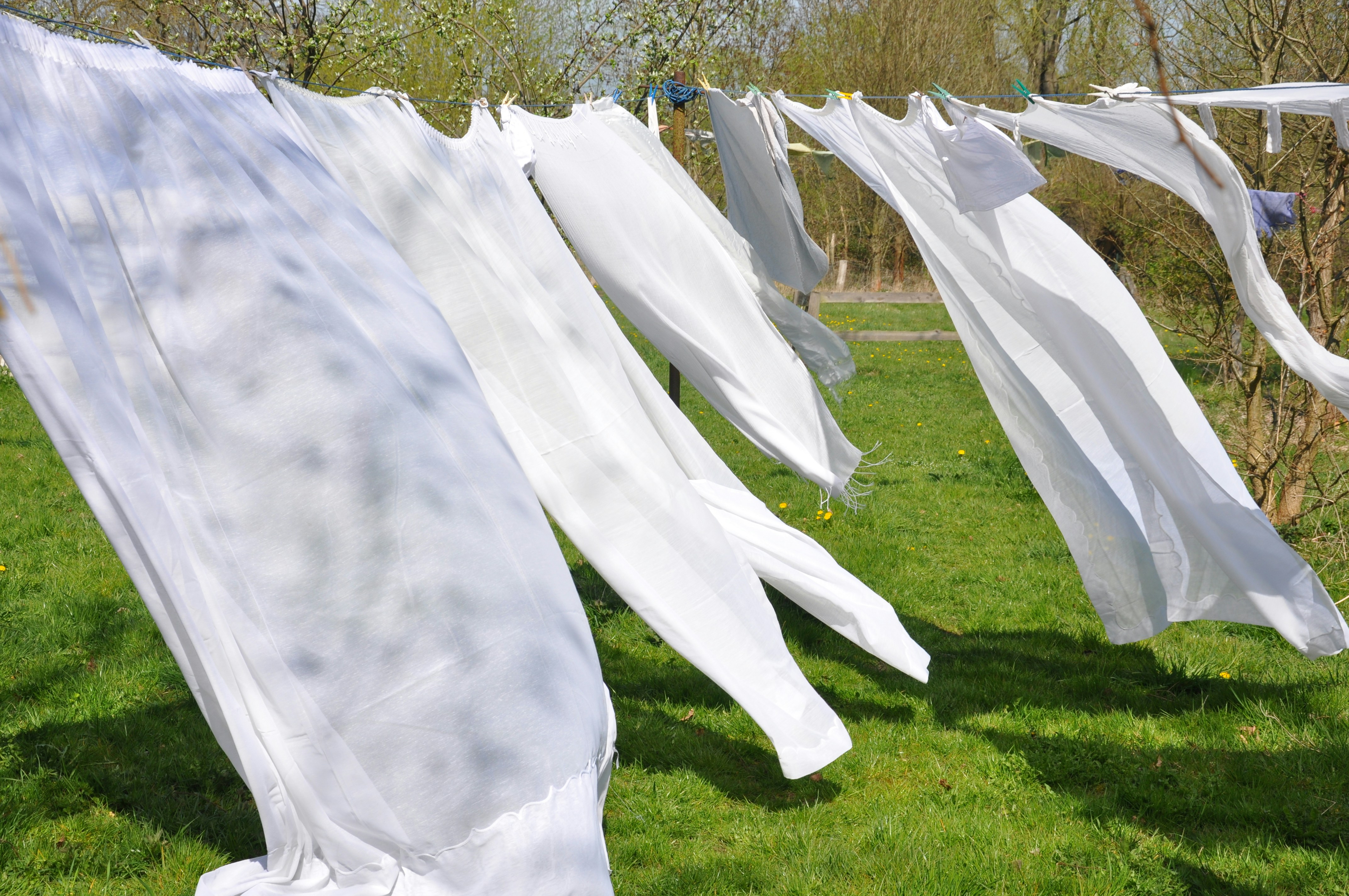
Air drying is often considered the gentlest method, allowing sheets to dry naturally in the open air. This technique is beneficial as it minimizes exposure to the high temperatures and tumbling action of a dryer, which can weaken fabric fibers over time. Additionally, when sheets are dried outside in direct sunlight, the natural UV rays help to bleach any remaining discoloration, assisting in restoring sheets to their original whiteness. However, it is essential to ensure that air drying occurs in a clean environment to prevent dust and pollutants from adhering to damp fabric.
On the other hand, using a dryer can be more convenient and quicker than air drying. To effectively use a dryer without causing yellowing, it is advisable to select a low heat setting. High temperatures can exacerbate yellowing by breaking down the fibers and can react with residual detergent or body oils. Adding dryer balls can also help improve air circulation and reduce drying time, which keeps the sheets in the dryer for less duration, thereby minimizing the risk of yellow stains.
Regardless of the method chosen, it is crucial to remove sheets from either the line or the dryer promptly once they are dry. Leaving them in a crumpled state can trap moisture, leading to a musty smell and potential yellowing. By understanding these drying methods and their implications, you can effectively maintain or even enhance the whiteness of your bed sheets, ensuring they remain fresh and clean for longer periods.
Preventive Measures to Keep Sheets White
Maintaining the pristine whiteness of bed sheets requires consistent care and attention. Yellow stains often develop due to a combination of factors such as body oils, sweat, and the use of certain skincare products. To prevent these discolorations, it is crucial to adopt a systematic approach in caring for your linens.
Firstly, regular washing is essential. Aim to launder your sheets every one to two weeks to reduce the build-up of oils and sweat. When washing, opt for a high-quality detergent specifically designed to tackle stains and yellowing. Furthermore, utilizing hot water can enhance cleaning efficacy, although be cautious with delicate fabrics that may require cooler settings to avoid damage.
Secondly, consider the impact of your personal care products. Many lotions, oils, and creams can leave residues that lead to staining. To mitigate this risk, allow ample time for lotions to absorb into your skin before coming into contact with your sheets. Additionally, switching to non-staining alternatives where possible can significantly reduce the likelihood of yellow marks.
Another preventive measure involves implementing a rotation system for your bedding. By alternating between different sets of sheets, you allow each set to rest, which can help extend their lifespan and maintain hygiene better. This practice minimizes repeated exposure to sweat and oils, decreasing the chances of yellow formations.
Finally, consider the environment in which you store your sheets when they are not in use. Keep them in a cool and dry place, as excessive humidity can contribute to the degradation of fabric quality. Proper care and consistent maintenance will help in keeping your bed sheets white and vibrant over time, preserving their aesthetic appeal.
When to Seek Professional Help for Stain Removal
While many yellow stains on bed sheets can be effectively treated with household remedies and laundry techniques, there are circumstances where professional help becomes essential. If stains persist despite your best efforts, it may be a sign that the discoloration is deeply embedded within the fabric. Professional cleaning services are equipped to handle stubborn stains that resist typical treatment methods.
One clear indication to seek professional assistance is when yellow stains have been present for an extended period. Over time, bodily fluids, sweat, and other organic materials can create bonds with the fibers of the sheets, making removal increasingly difficult. If repeated washings, specialized detergents, or homemade solutions focusing on stain removal fail, it may be time to contact a professional cleaner.
In addition to duration, consider the fabric of your bed sheets. Delicate fabrics such as silk or high-thread-count cotton may require specific cleaning methods that could be better handled by professionals. Attempting to clean these fabrics on your own can lead to further damage, thus worsening the condition instead of improving it.
If you notice that the yellow stains are accompanied by unusual odors, this may signify bacteria or mold presence. Such situations warrant professional intervention, as standard cleaning practices may not eliminate harmful microorganisms effectively.
Before making a choice, explore various options for laundromats and dry cleaners in your area that specialize in stain removal services. Inquire about their processes and experience with treating yellow stains specifically, as this will help ensure that your bed sheets receive the care they require for a thorough cleaning.
DIY Recipes for Natural Stain Removers
Stains on bed sheets can be particularly troublesome, especially if they become yellowed over time due to sweat, body oils, or improper washing techniques. Fortunately, there are several effective DIY recipes for natural stain removers that can help restore your sheets to their original brightness. These eco-friendly solutions not only lift stains but also eliminate the need for harsh chemicals that can be harmful to both your health and the environment.
One popular natural stain remover is a mixture of baking soda and vinegar. To create this remedy, take one cup of baking soda and combine it with one cup of white vinegar in a large bowl. The reaction between the two ingredients will create a fizzing action that helps to lift stains. Apply this paste directly to the yellowed areas of your sheet and let it sit for about 30 minutes before washing as usual. This method is particularly effective in breaking down oils and organic materials that lead to discoloration.
Another excellent option is using hydrogen peroxide, which acts as a gentle bleaching agent. Mix one cup of hydrogen peroxide with one cup of water and pour it into a spray bottle for easy application. Spray the yellowed areas generously and let it sit for at least an hour before laundering. This solution not only helps to whiten your sheets but also disinfects them, making it a practical choice for combating bacteria.
For those who prefer a fragrant touch, mixing lemon juice and water is an excellent choice. Combine one cup of lemon juice with two cups of water in a spray bottle and apply it to the affected areas. The natural acidity of the lemon helps lift stains while imparting a fresh scent. Allow it to sit for an hour before washing the sheets in hot water.
By utilizing these DIY recipes for natural stain removers, you can effectively treat yellowed bed sheets with household ingredients that are both safe and efficient. Experimenting with these methods can lead to a more sustainable approach to laundry care.
Conclusion and Recap on Maintaining Fresh Bed Sheets
In summary, restoring yellowed bed sheets to their pristine white condition requires a blend of effective cleaning methods and diligent maintenance practices. By employing techniques such as using natural whitening agents like baking soda, vinegar, or hydrogen peroxide, you can successfully tackle those stubborn yellow stains that accumulate over time. Regular washing, ideally every one to two weeks, helps to prevent the build-up of dirt and oils, which are often the culprits behind discoloration.
Additionally, the importance of choosing the right washing temperature and using appropriate detergent cannot be overstated. Hot water generally offers better stain removal properties, but it is crucial to consider the fabric type of your sheets to avoid damage. Incorporating these strategies into your laundry routine will not only keep your sheets looking fresh and clean but will also prolong their lifespan, ensuring that they remain comfortable for restful nights.
Furthermore, you should be conscious of how body oils, sweat, and other substances contribute to the yellowing process. To combat this, using a mattress protector and washing your sheets regularly contributes significantly to maintaining their whiteness. By understanding these factors and taking proactive measures, you can successfully keep your bed sheets looking vibrant and welcoming.
In conclusion, integrating these tips and techniques into your regular laundry practices will significantly improve the condition of your bedding. Commit to these best practices for maintaining clean, white bed sheets, and enjoy the comfort and aesthetic appeal of a well-kept bed.