Understanding Cotton Percale
What is cotton percale?Cotton percale is a finely woven cotton fabric characterized by its high thread count and crisp hand feel. It is typically made using a one-over, one-under weave pattern, which elevates its durability and smooth texture. This fabric is distinct from other types of cotton fabrics, such as sateen, primarily due to its matte finish and breathable quality. Cotton percale tends to have a more textured feel compared to the silky surface of sateen, making it a popular choice for bedding and table linens where a cooler and crisper ambiance is desired.
The origins of cotton percale can be traced back to the Indian subcontinent, where craftsmen developed this weaving technique centuries ago. The word ‘percale’ itself is believed to come from the Persian word ‘pargalah,’ meaning ‘sheer cloth.’ Initially used for lightweight dresses and summer garments, percale became increasingly recognized for its utility in home textiles, particularly after the industrial revolution that enabled mass textile production.
Over the years, cotton percale has gained immense popularity due to its essential properties. This fabric boasts exceptional breathability, which helps to regulate temperature and wick away moisture, making it a sought-after option for hot sleepers. Additionally, cotton percale is known for its easy maintenance, as it retains its shape and color well even after multiple washes, significantly enhancing its longevity. Furthermore, unlike synthetic materials, cotton percale is hypoallergenic, making it suitable for individuals with sensitive skin or allergies.
The Weave: What is Percale?
Percale is a type of cotton weave known for its unique, crisp feel and smooth finish, making it a popular choice for bed linens and other textile products. The percale weave is defined specifically by its construction method, which employs a one-over-one-under technique. This means that each thread is woven over one warp thread and then under the next, creating a breathable fabric that is both durable and tightly woven.
One of the most defining characteristics of percale is its thread count. Generally, percale fabrics feature a thread count of at least 180, which contributes to their crisp texture and durability. The higher thread count typically reflects a finer yarn and denser construction, enhancing both the tactile experience and the fabric’s longevity. This tight weaving technique results in a fabric that resists wear and tear, maintaining its quality even after extended use and frequent washing.
The tightness of the percale weave also plays a crucial role in its overall feel. The smooth surface produced by the one-over-one-under construction creates a fabric that feels cool to the touch, making it ideal for warm climates and comfortable sleep. Additionally, the breathability afforded by the percale weave ensures that moisture is dissipated efficiently, further enhancing comfort.
In contrast to other weave types, such as sateen, which is woven with a higher number of threads on the surface for a softer finish, percale offers a crispness and structured quality that many individuals prefer. This quality of percale makes it an excellent choice for those who enjoy a traditional and fresh feeling in their bedding.
Cotton Percale vs. Other Fabrics
When exploring cotton fabrics, it is essential to compare cotton percale with other popular options such as sateen and flannel. Each fabric type has its unique attributes, advantages, and disadvantages that cater to different preferences and needs.
Cotton percale is characterized by its crisp, lightweight feel and a tight weave that results in a matte finish. The quality of cotton percale makes it breathable, ideal for warmer climates or individuals who tend to sleep hot. Additionally, its durability and resistance to wear mean that it maintains its appearance even after several washes, making it a popular choice for bed linens.
In contrast, sateen offers a smoother, silkier feel due to its distinctive four-over, one-under weaving pattern, which creates a lustrous sheen. This fabric tends to feel warmer and more luxurious, making it suitable for colder nights. However, sateen is often more prone to fading and may require more delicate care to preserve its quality over time.
Flannel, another cotton variation, is known for its soft, brushed texture which provides warmth, making it a go-to choice for colder months. While flannel sheets can be incredibly comfortable, they may cause overheating during warmer seasons, unlike cotton percale that remains breathable regardless of temperature.
In summary, each fabric type has its own set of pros and cons. Cotton percale is perfect for those seeking a lightweight, durable option, while sateen appeals to those desiring a luxurious feel and flannel is ideal for warmth in colder conditions. Understanding these differences is crucial for making an informed decision about which cotton fabric best suits your lifestyle and preferences.
Benefits of Cotton Percale
Cotton percale has gained popularity in recent years, particularly among consumers seeking quality bedding materials. One of the primary advantages of cotton percale is its breathability. The tightly woven, crisp texture of percale allows for optimal airflow, making it an excellent choice for those who struggle with overheating during sleep. This breathable characteristic is essential in maintaining a comfortable sleeping environment, particularly in warmer climates or during the summer months.
Durability is another compelling benefit of cotton percale. Unlike other fabrics that may lose their structure or softness over time, cotton percale holds up exceptionally well through repeated washes. The high thread count, typically ranging from 200 to 400, contributes to its robustness, ensuring that your bedding remains in excellent condition for years. This durability extends to its appearance; cotton percale maintains a crisp and polished look, enhancing the aesthetic of any bedroom.
Moreover, its moisture-wicking properties make cotton percale appealing to a wider audience. The fabric effectively draws moisture away from the body, allowing for quick evaporation. This feature is particularly beneficial for individuals who perspire during the night, as it helps in keeping the bedding dry and comfortable, thus promoting uninterrupted sleep.
Care management of cotton percale is straightforward, adding to its allure for busy consumers. Typically, cotton percale is machine washable, and it dries quickly, making it easy to maintain. This ease of care does not compromise quality; in fact, frequent washing can even enhance the softness of the fabric, ensuring a cozy feel with each use.
Common Uses of Cotton Percale
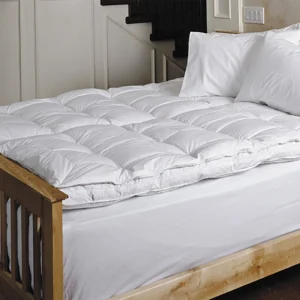
Cotton percale is a type of fabric that is revered for its smooth finish and breathability, making it a popular choice for a variety of applications in everyday life. One of the most common uses of cotton percale is in bed linens, particularly sheets and pillowcases. The fabric’s tight weave not only contributes to a crisp, cool feel but also enhances durability, allowing for frequent washing without losing quality. Consequently, many households opt for cotton percale sheets, especially during warmer months, as they offer a comfortable sleep environment.
In addition to bed linens, cotton percale is also widely utilized in other household textiles. Tablecloths and napkins made from this breathable fabric are often favored for their elegance and practicality, providing an ideal complement for both casual and formal dining settings. Furthermore, cotton percale is an excellent choice for duvet covers, ensuring a chic yet functional addition to any bedroom decor.
The versatility of cotton percale extends beyond household linens to encompass personal clothing items as well. This fabric is also employed in the fashion industry, especially for shirts and blouses, given its smooth texture and ability to maintain a crisp appearance throughout the day. Designers benefit from cotton percale’s versatility, as it drapes beautifully, allowing for a range of styles and fits. As a natural fiber, it is not only comfortable against the skin but also hypoallergenic, which appeals to a broader audience.
In summary, the applications of cotton percale are diverse, spanning from essential household textiles to fashionable clothing. Its properties make it a practical and desirable choice for both consumers and manufacturers alike, underlining its prominence in modern textile use.
Caring for Cotton Percale
Caring for cotton percale bedding is essential for maintaining its quality and longevity. This fabric is celebrated for its crisp feel and breathability, but proper care is fundamental in preserving these attributes. To begin, washing your cotton percale sheets should be done using cold or warm water, ideally at a temperature not exceeding 40°C (104°F). This helps to maintain the fabric’s integrity and prevents shrinking. It is advisable to use a gentle cycle to reduce the risk of agitation that can lead to pilling or wear.
When it comes to choosing laundry detergent, opt for a mild formula that is free from harsh chemicals or bleach, as these can weaken fibers over time and diminish the percale’s natural softness. Additionally, avoid fabric softeners, as they can create a residue that reduces breathability. Instead, add a cup of white vinegar during the rinse cycle to help keep your percale sheets soft and fresh.
For drying, air drying is the best method if time allows. Hang your sheets outdoors away from direct sunlight to protect the colors and fibers. If you prefer to use a dryer, select a low-heat setting to prevent excessive shrinkage and maintain the fabric’s texture. Remove the sheets while they are slightly damp to minimize wrinkles, as percale is easier to iron when not completely dry.
Finally, if ironing is necessary, use a medium heat setting while the fabric is still slightly damp for best results. This will help restore the crispness of cotton percale without damaging the fibers. Storing the sheets in a cool, dry place will also extend their lifespan, keeping your bedding looking fresh and inviting.
Choosing the Perfect Cotton Percale
When selecting cotton percale products, several factors require careful consideration to ensure you choose the most suitable options for your needs. One critical aspect is the thread count, which measures the number of threads woven together per square inch. Generally, a higher thread count indicates increased softness and durability; however, for cotton percale specifically, a thread count between 200 and 400 is often ideal. This range provides a balance between comfort and breathability, making it a top choice for bedding.
Quality also plays a significant role in selecting cotton percale. Look for products made from 100% long-staple cotton, as this contributes to a more luxurious feel and greater longevity. Pima and Egyptian cotton are excellent examples of high-quality materials, known for their natural strength and softness. Additionally, examine the weave and finishing of the fabric; a crisp, matte feel is characteristic of percale and signals a well-constructed product.
Another vital consideration is where to purchase cotton percale items. While local department stores may offer a variety of choices, shopping online can provide access to a broader selection of colors, patterns, and price points. Renowned brands specializing in cotton percale bedding often provide detailed product descriptions and customer reviews, which can assist in making an informed decision. Furthermore, check for certifications such as Oeko-Tex Standard 100, which ensure that the fabric is free from harmful substances, thus promoting a healthier sleep environment.
Finally, assess your personal preferences, such as the desired aesthetic for your bedroom or specific functional needs such as hypoallergenic properties. Taking these factors into account will lead to finding the perfect cotton percale products tailored to your individual comfort and style requirements.
Sustainability and Cotton Percale
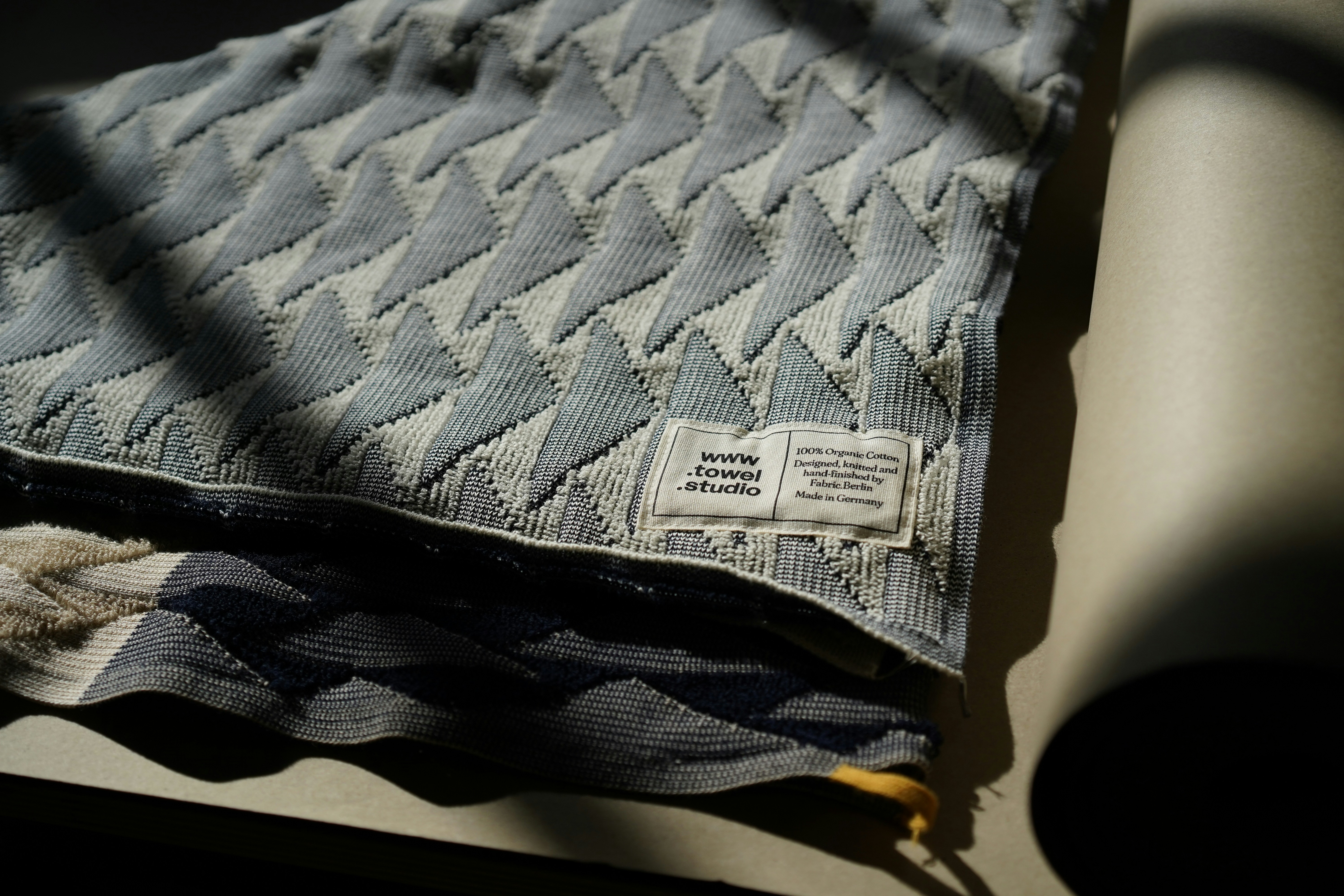
As the demand for sustainable textiles rises, understanding the environmental impact of cotton production, particularly in the context of cotton percale, becomes increasingly important. Cotton is a natural fiber that, when grown using sustainable practices, can significantly minimize its ecological footprint. Organic cotton serves as a prime example of environmentally friendly cultivation techniques, as it is produced without synthetic pesticides, fertilizers, or genetically modified organisms.
The benefits of organic cotton extend beyond crop safety; they encompass improved soil health and reduced water consumption. Organic farming techniques, such as crop rotation and cover cropping, contribute to biodiversity, which is vital for resilient ecosystems. Moreover, the production of cotton percale from organic materials ensures that consumers are making eco-friendly choices in their bedding and clothing purchases.
Sustainable farming practices also play a crucial role in mitigating the negative environmental effects associated with traditional cotton production. These methods can include rain-fed irrigation systems, which reduce reliance on freshwater resources, and integrated pest management techniques that decrease chemical inputs. These practices not only safeguard the health of farm workers but also promote better working conditions, making the overall cotton supply chain more ethical.
Choosing cotton percale made from sustainably sourced materials empowers consumers to support eco-friendly textiles. By selecting products that adhere to stringent environmental standards, individuals can positively influence the demand for sustainably produced fabrics and promote practices that respect both the planet and its inhabitants. As awareness of sustainability in the textile industry continues to grow, understanding the importance of choosing eco-conscious options becomes essential for responsible consumerism.
Conclusion and Final Thoughts
In this comprehensive guide on cotton percale, we have explored the features, benefits, and uses of this popular fabric choice. Cotton percale is renowned for its crisp texture and breathable quality, making it an ideal material for bed linens and garments. Notably, the fabric’s weave contributes to its durability and enhances its lightweight properties, ensuring it remains a favorite among consumers seeking comfortable and lasting textiles.
One significant advantage of cotton percale is its easy maintenance. The fabric is machine-washable and tends to become softer with each wash, providing an inviting feel that many appreciate. Additionally, its hypoallergenic properties make it a suitable choice for those with skin sensitivities, further establishing its appeal in the market.
The aesthetic versatility of cotton percale also cannot be overlooked. Available in a wide range of colors and patterns, it caters to diverse design preferences, allowing consumers to select options that perfectly complement their living spaces or wardrobe. This adaptability reinforces cotton percale’s status as a go-to material for both home décor and personal use.
As we conclude our exploration of cotton percale, it is evident that this fabric holds a significant place in the textile industry. Its combination of comfort, durability, and aesthetic appeal makes it worthy of consideration for anyone in the market for quality linens or garments. Whether for creating a peaceful bedroom environment or enhancing your clothing collection, cotton percale is a practical and stylish choice. We encourage readers to consider integrating cotton percale into their lives to experience the advantages discussed in this guide.