Introduction to Wool Throw Blankets
Wool throw blankets are a versatile and timeless addition to any home decor, enhancing both comfort and aesthetic appeal. Made from natural sheep wool, these throw blankets provide warmth, softness, and durability. They have gained considerable popularity in recent years, favored for their luxurious feel and functional benefits. A variety of wool types are commonly used in these blankets, with merino and lambswool being the most prominent. Merino wool, sourced from Merino sheep, is renowned for its fine fibers and exceptional softness, making it an excellent choice for a cozy throw. Lambswool, sourced from the first shearing of lambs, is equally soft and lightweight, boasting insulating properties to keep users warm during colder months.
In addition to their material qualities, wool throw blankets are celebrated for their natural moisture-wicking abilities, which make them breathable without sacrificing warmth. This characteristic allows users to stay comfortable regardless of changing temperatures, making them ideal for year-round use. The natural elasticity of wool adds to its longevity, making it a sustainable choice not only due to the biodegradable nature of wool but also because of its resilience and ability to retain shape over time.
Furthermore, the introduction of contemporary designs and colors has broadened the appeal of wool throw blankets, allowing them to complement a wide range of interior styles. From traditional patterns to modern aesthetics, the versatility of wool blankets ensures that they can fit seamlessly into any home’s decor. As we explore the numerous benefits of these cozy accessories further in this post, the advantages of choosing wool blankets over synthetic alternatives will also become increasingly evident.
Natural Insulation Properties
Wool is renowned for its exceptional natural insulation properties, making it a preferred choice for throw blankets. This remarkable material functions effectively to regulate temperature, ensuring that individuals remain comfortably warm during colder months while also maintaining a breathable condition in warmer environments. The intrinsic structure of wool fibers plays a significant role in its insulation effectiveness. Each fiber contains microscopic air pockets that trap heat, providing a buffer against the chill. Moreover, wool’s ability to wick moisture away from the skin further enhances comfort levels, preventing overheating and dampness. As a result, those using wool throw blankets experience a stable temperature, enveloped in cozy warmth without the discomfort of sweating.
The science behind wool’s insulation lies in its natural composition. Wool is hygroscopic, meaning it can absorb significant amounts of moisture without feeling wet. This feature is crucial, as it allows wool to absorb moisture vapor produced by the body and release it into the air, thus maintaining a dry microclimate next to the skin. In colder temperatures, this moisture evaporation process helps in heat retention, as the absorbed moisture generates warmth. Conversely, in warmer climates, the breathability of wool fibers allows for effective air circulation, preventing excessive heat buildup.
This dual capability makes wool throw blankets versatile, accommodating various climates and sleeping conditions. Whether snuggling up on a chilly winter evening or layering during cool summer nights, wool provides a consistent and comfortable experience. The innate properties of wool not only contribute to a cozy atmosphere but also align with the growing trend toward sustainable and natural materials in home textiles. This ensures that wool is not just practical but also a responsible choice for the environment.
Health Benefits of Wool
The use of wool throw blankets offers several significant health benefits that make them an ideal choice for individuals seeking comfort and improved well-being. One of the standout features of wool is its hypoallergenic properties, which provide a substantial advantage for those with allergies or respiratory issues. Wool fibers naturally repel dust mites and other common allergens, significantly reducing the potential for allergic reactions. This characteristic makes wool throw blankets an excellent option for individuals who are sensitive to these irritants, allowing for a more restful and uninterrupted experience.
In addition to their hypoallergenic nature, wool blankets have a unique ability to regulate body temperature, which is essential for promoting quality sleep. Unlike synthetic materials that can cause overheating, wool absorbs moisture while remaining breathable. This helps to maintain a comfortable body temperature throughout the night, reducing the likelihood of waking up during the night due to discomfort. Consequently, using wool throw blankets can contribute to deeper sleep cycles, enhancing overall sleep quality.
Furthermore, wool throw blankets are known to provide a sense of coziness and relaxation, factors that are crucial for stress reduction. The tactile sensation of wool against the skin creates a soothing effect, which can help calm the mind and body. This relaxation response not only promotes comfort while resting but also assists in alleviating anxiety and stress, benefits that extend beyond mere physical warmth. Ultimately, incorporating wool blankets into one’s living space can foster a tranquil environment conducive to relaxation and well-being.
With their combination of hypoallergenic qualities, temperature regulation, and nurturing comfort, wool throw blankets serve as a resourceful addition to any home. Embracing these textiles can enhance both physical health and emotional comfort, making wool an excellent choice for anyone looking to improve their quality of life.
Environmental Impact and Sustainability
Wool has been recognized as one of the most eco-friendly materials available for textile production. Its sustainable nature begins with its source; wool is a natural fiber harvested from sheep, an animal that has been raised alongside humans for thousands of years. Unlike synthetic fibers derived from petrochemicals, wool production places minimal strain on the environment. Sheep farming, when conducted ethically, can promote biodiversity, as pasture rotations aid in soil health and encourage the growth of native plants.
Moreover, wool is a renewable resource since sheep grow their fleece continuously. The production process also emits significantly fewer greenhouse gases compared to synthetic alternatives, which heavily depend on fossil fuels during both manufacturing and degradation. By choosing wool throw blankets, consumers are not only opting for a comfortable textile but are also making an environmentally responsible decision that aligns with sustainable living practices.
Another critical factor to consider is the biodegradability of wool. Unlike synthetic materials, which can take hundreds of years to decompose and contribute to landfill accumulation, wool naturally breaks down within a few years. This process enriches the soil, thereby promoting ecological balance. Additionally, when wool products are discarded at their end of life, they do not release harmful microplastics into waterways, a prevalent issue with many synthetic fabrics.
In recognizing these environmental impacts, it is clear that using wool throw blankets can contribute to a more sustainable lifestyle. This choice reflects a commitment to eco-friendliness that benefits not only the consumer but also the planet. As awareness of sustainable products grows, wool blankets stand out as a superior option for those who prioritize both comfort and environmental responsibility.
Versatility in Home Decor
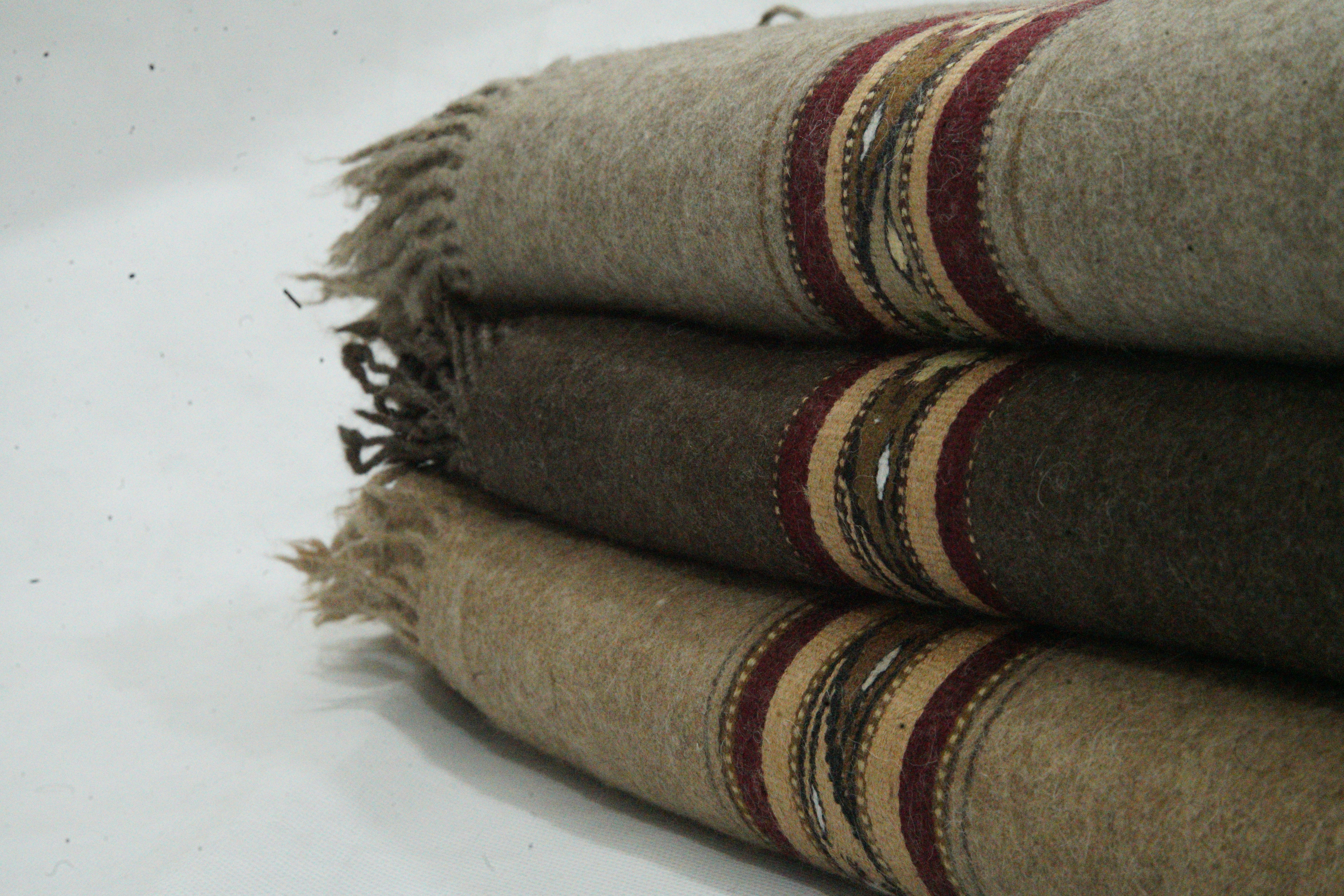
Wool throw blankets offer significant versatility in home decor, seamlessly blending with various interior design styles. Their aesthetic appeal is heightened by the multitude of colors, patterns, and textures available, which foster a cozy yet sophisticated atmosphere. For instance, a neutral-toned wool blanket can complement a minimalistic Scandinavian design, while a rich, vibrant throw can enhance a bohemian or eclectic space.
When it comes to color options, wool throw blankets come in an extensive palette, ranging from soft pastels to bold jewel tones. This broad spectrum allows homeowners to select blankets that not only match their existing decor but also serve as eye-catching focal points. Patterns can also vary widely, from classic houndstooth and checks to modern geometric designs. Such options make wool throw blankets an adaptable accessory, suitable for any room, be it the living area, bedroom, or even an office.
Their tactile quality adds another layer of charm to interior spaces. The natural texture of wool creates a warm ambiance, inviting inhabitants and guests alike to engage with the environment. Additionally, when styled thoughtfully, a wool throw can enhance layering techniques that are prevalent in modern interior design. For instance, draping a blanket over the back of a sofa or neatly folding it at the end of a bed adds depth and character to the overall look.
In more rustic settings, wool throws coexist beautifully with wooden furniture and natural fibers, exemplifying a harmonious relationship with nature. Ultimately, the versatility of wool throw blankets, combined with their aesthetic allure, positions them as indispensable elements in home decor, appealing to diverse tastes and enhancing varied design motifs.
Durability and Longevity of Wool
Wool throw blankets are renowned for their remarkable durability and longevity, making them a wise investment for anyone seeking comfort and warmth over time. Unlike synthetic materials, wool has natural resilience, allowing it to withstand regular use without succumbing to wear and tear. This inherent strength of wool fibers is attributed to their unique structure, which can absorb moisture without feeling damp, allowing blankets to maintain their shape and integrity even after prolonged usage.
One of the significant advantages of wool throw blankets is their resistance to soiling and staining. Wool fibers possess natural oils that repel dirt and dust, enabling easy maintenance. However, to ensure the longevity of a wool blanket, proper care is essential. It is recommended to gently shake and air out your wool throw blankets regularly to keep them fresh. For cleaning, using a damp cloth or spot cleaning with mild soap is preferable. In cases of extensive soiling, professional dry cleaning is advisable to preserve the blanket’s texture and color.
Furthermore, when it comes to storage, wool blankets should always be kept in a cool, dry place, away from direct sunlight to prevent fading and damage. Consider utilizing breathable storage bags or cotton sheets instead of plastic to allow airflow. By adhering to these simple maintenance tips, wool throw blankets can last for years, offering continuous warmth and comfort, season after season. This long-lasting quality makes them not only a practical choice but also an eco-friendly one, as choosing durable products reduces the need for frequent replacements.
Practical Uses Beyond Aesthetics
Wool throw blankets are not only visually appealing; they also offer a multitude of practical applications that enhance their value as versatile accessories. One of the most popular uses for wool throw blankets is during outdoor activities, such as picnics or concerts in the park. Their warmth and comfort make them an excellent choice for sitting on the ground, providing insulation from cold surfaces while adding an inviting touch to your outdoor setup.
Moreover, these blankets are ideal travel companions. Whether embarking on a long road trip, a train journey, or an airplane adventure, a wool throw blanket can serve as a comforting layer of warmth and assurance. Its lightweight nature and compactness allow for easy packing, while its durable fabric can withstand the rigors of travel. Passengers can easily drape themselves in a wool throw to fend off the chill of air conditioning, making the journey more pleasant.
Camping enthusiasts also appreciate the practical benefits of wool throw blankets. Not only do they provide warmth on chilly nights around the campfire, but they can also double as cozy layers inside a sleeping bag for added insulation. The breathable quality of wool helps regulate body temperature, making camping experiences more comfortable regardless of the weather conditions. Additionally, these blankets serve as versatile tools; they can be utilized for outdoor seating or even as a protective layer for picnic items laid on the ground.
Further extending their practical use, wool throw blankets can be integrated into home decor as well. They can be draped over a sofa or used as a bed throw, offering both functionality and style. Such blankets seamlessly blend into various settings while enhancing comfort, making them a worthwhile investment. The myriad of uses for wool throw blankets showcases their practicality beyond merely serving an aesthetic purpose.
Tips for Choosing the Right Wool Throw Blanket
When selecting a wool throw blanket, several factors should be considered to ensure that it meets your needs and preferences. First and foremost, the size of the blanket is crucial. Wool throws typically come in various dimensions, so think about where and how you plan to use it. For instance, a larger throw may be suitable for use on a bed or as a decorative piece on a sofa, while a smaller blanket might be ideal for personal use during travel or a cozy movie night.
The weight of the wool throw also plays a significant role in its comfort and usability. Heavier blankets provide increased warmth, making them perfect for chilly evenings, while lighter options are more versatile for year-round use. Assess your personal comfort preferences and the climate in which you reside to determine the appropriate weight.
Another important consideration is the type of wool used in the blanket. Different types of wool, such as Merino, Shetland, or Cashmere, offer varying textures and warmth levels. Merino wool, for example, is renowned for its softness and breathability, making it an excellent choice for everyday use. Conversely, a blanket made from Shetland wool may provide greater durability and warmth, ideal for colder environments.
Lastly, consider the intended use of the wool throw blanket. Whether you are looking for a blanket for decorative purposes, functional warmth during outdoor activities, or an extra layer for added comfort at home, aligning your selection with your specific needs will enhance your overall satisfaction. Prioritizing these factors will help you make an informed decision that aligns with your lifestyle and preferences.
Conclusion
In summarizing the numerous benefits of wool throw blankets, it is evident that these timeless textiles offer both comfort and style in a versatile manner. Known for their remarkable warmth and insulation properties, wool throw blankets serve as an excellent addition to any living space. The natural fibers not only regulate heat effectively but also wick away moisture, helping to create a cozy environment, regardless of the season.
Additionally, wool throw blankets are hypoallergenic, making them a suitable option for individuals with allergies or sensitivities. The inherent properties of wool resist dust mites and other allergens, promoting a healthier indoor atmosphere. This feature adds to the appeal of wool throw blankets, considering the significance of clean living spaces in today’s world.
The durability and longevity of wool further enhance their value, as these blankets withstand daily use while maintaining their aesthetic and functional attributes over time. With a wide array of styles, colors, and patterns available, customers can select a wool throw that complements their existing decor, while enjoying the luxurious feel and visual appeal these blankets provide.
Encouraging readers to consider integrating wool throw blankets into their homes, it becomes clear that they not only fulfill practical needs for warmth and comfort but also add an elegant touch to any interior design. Overall, investing in a wool throw blanket can significantly improve one’s living experience, making it a noteworthy consideration for anyone seeking comfort alongside style.