Introduction
how do I wash bed sheets?Regularly washing bed sheets is a fundamental aspect of maintaining a clean and healthy living environment. As we spend nearly one-third of our lives sleeping, the bed becomes an ideal breeding ground for dust mites, bacteria, and allergens. By prioritizing the washing of bed sheets, individuals can significantly reduce exposure to these harmful agents, ultimately promoting better health and sleep quality.
Clean bedding not only enhances comfort but also provides several benefits to overall wellness. When sheets are laundered regularly, they contribute to a fresher sleeping environment, which can improve skin health and prevent respiratory issues. Additionally, fresh sheets often result in a more restful night’s sleep due to their clean scent and crisp feel. Therefore, incorporating this routine into household chores can have lasting positive effects.
The process of washing bed sheets involves several straightforward steps. First, it is essential to understand the material of the sheets, as different fabrics require specific care. Most cotton sheets can be washed in warm water, while delicate fabrics may need a gentle cycle. It is also advisable to check the care labels to avoid any damage during the washing process.
Before starting the laundry, one must remove the sheets from the bed and check for any stains, treating them as necessary to ensure effective cleaning. Once the washing cycle is complete, the sheets should be dried appropriately, either by air or using a dryer at a suitable temperature. This step helps to eliminate any lingering allergens and bacteria, further underscoring the importance of cleanliness in one’s bedding.
In summary, understanding the significance of regularly washing bed sheets, coupled with knowledge of proper washing techniques, can lead to enhanced hygiene and overall well-being. By making this simple task a priority, individuals can enjoy the numerous benefits of clean bedding.
How Often Should You Wash Your Bed Sheets?
The frequency at which you should wash your bed sheets is largely influenced by several factors including personal hygiene, allergies, and seasonal changes. For most individuals, it is advisable to wash bed sheets at least once every one to two weeks. This regular cleaning helps eliminate dust mites, allergens, and bacteria that accumulate over time, ensuring a healthier sleep environment.
For those who suffer from allergies, washing bed sheets weekly is recommended. Dust mites and other allergens can trigger allergic reactions, leading to discomfort and disrupted sleep. Regular cleaning not only removes these allergens but also contributes to a more pleasant bedtime atmosphere.
Seasonal factors also play a role in determining washing frequency. During warmer months, when people tend to sweat more, weekly washing is beneficial. Conversely, during cooler months, if sweating is less of an issue, some might stretch this interval to every two weeks. However, it is crucial to still prioritize hygiene regardless of the season.
Moreover, individuals who have pets should consider washing their sheets more frequently, as pet dander and hair can also accumulate, exacerbating allergy issues. Similarly, if you are recovering from illness, increasing the frequency of washing sheets is prudent to reduce the risk of reinfection and to maintain a sanitized sleeping area.
In summary, while the general guideline is to wash bed sheets every one to two weeks, personal habits, health concerns, and seasonal factors should dictate how often you launder your sheets. Staying proactive in maintaining cleanliness will enhance both your sleep comfort and overall well-being.
Pre-Washing Preparations
Before embarking on the process of washing your bed sheets, it is essential to undertake several preparatory steps to ensure the best possible outcomes. Start by checking the care labels on your sheets. These labels provide specific washing instructions tailored to the fabric type, which can include recommended water temperature, drying methods, and whether or not bleach is permissible. Adhering to these guidelines is crucial in preserving the integrity of the fabric and the longevity of your bedding.
Next, inspect your bed sheets for any visible stains or marks. Addressing these stains before washing is vital for achieving optimal results. Consider pre-treating stains using a stain remover or a mixture of detergent and water. Apply the solution directly to the stained area and allow it to sit for a few minutes before laundering. This process increases the chances of completely removing stubborn stains, leading to fresher and cleaner sheets upon completion of the washing process.
Sorting your sheets by color and fabric type is another important preparatory step. Separate light-colored sheets from dark ones to prevent dye transfer, which can lead to discolored fabrics. Additionally, grouping sheets according to their fabric type, such as cotton or polyester, allows for more tailored washing conditions, as different materials may require varying settings for optimal cleaning. By taking the time to sort your sheets correctly, you can further enhance the washing process’s efficiency and effectiveness.
Choosing the Right Detergent and Fabric Softener
When it comes to washing bed sheets, selecting the appropriate laundry detergent and fabric softener is imperative for maintaining the integrity of the fabric while ensuring a clean and fresh result. There are various types of laundry detergents available on the market, including liquid, powder, and pods. Each type has its advantages; for instance, liquid detergents dissolve easily in water and are effective on greasy stains, while powder detergents are often more effective for whitening and brightening fabrics.
For those with sensitive skin, opting for hypoallergenic detergents is recommended. These products are free of dyes, fragrances, and other harsh chemicals that can irritate the skin. It’s crucial to read the labels carefully to identify ingredients that may cause allergies or skin irritation, especially for delicate fabrics like cotton, linen, or blends that are commonly used for bed sheets.
Fabric softeners can enhance the smoothness and decrease static cling in your bed sheets, contributing to an overall cozy feel. However, the choice of fabric softener is equally essential; some may contain heavy fragrances or chemicals that could cause skin discomfort or reduce the flame-retardant properties of certain materials. For sensitive individuals, choosing a natural, biodegradable fabric softener is advisable. Consider alternatives such as vinegar or baking soda, which can serve as effective softening agents without the adverse effects associated with traditional products.
In conclusion, when determining the right detergent and fabric softener for washing bed sheets, it is important to consider fabric type, potential allergies, and personal preferences. By selecting gentle, skin-friendly products, you can ensure that your bed sheets remain soft, fresh, and comfortable for a better night’s sleep.
Washing Instructions: Machine vs. Hand Washing
When it comes to washing bed sheets, two primary methods are commonly employed: machine washing and hand washing. Each of these techniques has its advantages and can be utilized effectively depending on the individual circumstances and preferences.
Machine Washing: This is the most convenient and widely used method for washing bed sheets. To begin, check the care label on your sheets for any specific instructions regarding washing. Generally, you should follow these steps:
- Sort your bed sheets by color and fabric type to prevent any bleeding or damage.
- Load the sheets into the washing machine, ensuring that you do not overload the machine, as this can hinder effective cleaning.
- Select the appropriate water temperature. Cotton sheets are typically washed in warm water, while more delicate fabrics may require cold water.
- Choose a gentle cycle setting for delicate fabrics and a normal cycle for sturdier materials.
- Add a suitable amount of laundry detergent, considering the size of the load.
After washing, it is advisable to promptly transfer the sheets to the dryer or line them to dry, as damp sheets can develop a musty smell.
Hand Washing: This method is suitable for delicate bed sheets or for those without access to a washing machine. To hand wash your sheets, follow these steps:
- Fill a large basin or bathtub with lukewarm water, adding a small amount of mild detergent.
- Submerge the sheets, allowing them to soak for about 10 to 15 minutes.
- Gently agitate the water to help dislodge dirt and grime, but avoid wringing the fabric, as this can cause damage.
- Rinse the sheets thoroughly in clean water until no detergent residue remains.
- Gently squeeze out excess water and hang to dry, avoiding direct sunlight to prevent fading.
Choosing between machine and hand washing ultimately depends on the fabric type and personal preference. By following these steps and tips, you can ensure that your bed sheets are cleaned effectively and maintained in good condition.
Drying Your Bed Sheets: Best Practices
After washing your bed sheets, properly drying them is essential to maintain their quality, prevent wrinkles, and ensure they remain soft and comfortable. There are several options available for drying bed sheets, each with its unique benefits.
One of the most common methods is tumble drying. In this case, it is advisable to use a low to medium heat setting. High temperatures can damage the fibers of your sheets, leading to a shorter lifespan. Generally, it takes about 30 to 45 minutes to thoroughly dry bed sheets in the dryer. To further reduce wrinkles and maintain softness, consider using dryer balls, which can help separate the sheets and promote even drying.
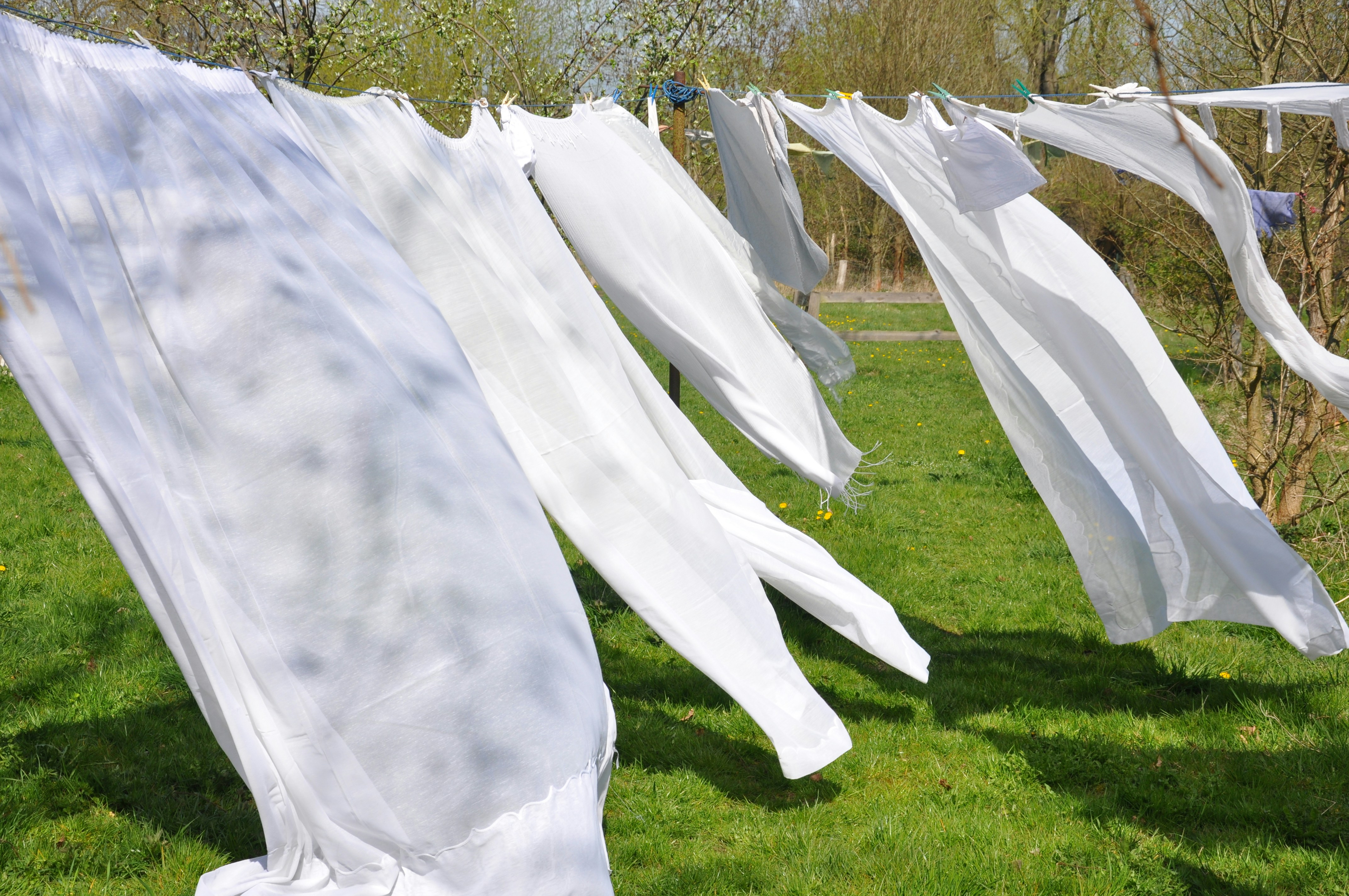
Another effective method is air drying. This approach is environmentally friendly and can help preserve the fabric’s integrity. If you choose to air dry your sheets, it is best to hang them outside on a line or rack, maximizing sunlight exposure, which can also help reduce bacteria. If outdoor drying is impractical, consider using a well-ventilated indoor space. Allow approximately 2 to 4 hours for the sheets to dry completely, depending on humidity and airflow.
Additionally, ironing is an option if you prefer crisp, wrinkle-free sheets. Use a steam iron on a low setting to gently press out wrinkles, being cautious to follow the care label instructions. It is advisable to iron sheets when they are slightly damp as this allows for easier wrinkle removal.
Regardless of the drying method you choose, it’s important to remove the sheets promptly from the dryer or drying area to prevent any musty smells. By adopting these drying practices, you can ensure that your bed sheets remain fresh, soft, and inviting, enhancing your overall sleep experience.
How to Care for Different Types of Bed Sheets
Caring for bed sheets properly is essential to maintain their quality and extend their lifespan. Different types of bed sheets require specific care methods due to their unique materials. Here, we will differentiate the care needed for cotton, linen, polyester, and bamboo sheets.
Cotton Sheets: Cotton is highly popular for its softness and durability. When washing cotton sheets, use warm water and a mild detergent to preserve their color and integrity. Avoid bleach as it can weaken the fabric over time. Dry cotton sheets on a low heat setting to prevent shrinking, and remove them from the dryer while slightly damp to minimize wrinkles.
Linen Sheets: Linen sheets offer breathability and a unique texture, but they require special handling. It is recommended to wash linen sheets in cold water with a gentle detergent to avoid excessive wear. Linen tends to wrinkle, but air drying can help maintain its natural look. If using a dryer, select a low heat setting and promptly remove them when dry to avoid further wrinkling. Ironing linen sheets is not always necessary; however, if desired, do so while they are slightly damp.
Polyester Sheets: Known for their resistance to wrinkles and fading, polyester sheets are easy to maintain. Wash them in warm water using a mild detergent. Avoid fabric softeners, as they can reduce the fabric’s moisture-wicking properties. Polyester sheets can be tumble dried on a low heat setting, and it is best to remove them promptly to prevent set-in wrinkles and maintain a fresh appearance.
Bamboo Sheets: Bamboo sheets are renowned for their eco-friendliness and softness. They should be washed in cold water with a gentle detergent to prevent pilling. These sheets can be air-dried or tumble dried on a low heat setting, ensuring not to over-dry as that may lead to damage. As bamboo sheets are naturally antibacterial, regular washing will keep them fresh and hygienic.
By following these tailored care instructions for each type of bed sheet, you can ensure their longevity and comfort for a restful night’s sleep.
Common Mistakes to Avoid When Washing Bed Sheets
Washing bed sheets may seem like a straightforward task, yet numerous individuals frequently commit errors that can compromise the cleanliness and durability of their bedding. One common mistake is overloading the washing machine. It is crucial to allow ample space in the drum for the sheets to move freely. Overloading can lead to incomplete cleaning and increased wear on the fabric.
Another prevalent error is the improper use of detergent. Many people tend to use more detergent than necessary, believing that it will yield a better wash. In reality, excess detergent can leave residue on the sheets, making them feel stiff and uncomfortable. Utilizing the correct amount, as specified on the detergent package, is essential for achieving optimal results.
It is equally important to read and follow fabric care labels before washing. Different materials, such as cotton, linen, or blends, have unique care requirements that significantly affect the washing process. Ignoring these guidelines can result in shrinking, fading, or damaging the fabric. Additionally, washing sheets at incorrect temperatures can lead to these same issues; generally, warm water is advisable for regular cleaning, but delicate fabrics may require colder settings.
Failing to separate colors and patterns can also lead to unwanted results. Dark-colored sheets should be washed separately to prevent dye transfer, which can mar lighter-colored items. Moreover, neglecting to dry sheets properly can lead to musty odors. It is recommended to dry sheets as soon as possible after washing to maintain freshness and ensure hygiene.
By avoiding these common mistakes, individuals can enhance the cleanliness of their bed sheets and prolong their longevity. A mindful approach to washing bedding is essential in maintaining a healthy sleeping environment.
Conclusion and Final Tips
In this comprehensive guide on how to wash bed sheets, we have covered various aspects necessary for maintaining clean and hygienic bedding. Properly washing bed sheets is not merely a matter of aesthetics; it directly contributes to a healthier sleep environment and enhances overall well-being. Regular washing can help to eliminate dust mites, allergens, and unpleasant odors that accumulate over time.
To summarize the key points discussed, it is essential to follow proper washing instructions, which include using the correct water temperature, choosing suitable laundry detergents, and understanding the importance of drying techniques. These practices not only keep your sheets fresh but also prolong their lifespan. For those with sensitive skin or allergies, opting for hypoallergenic detergents may be particularly beneficial in preventing irritation.
In the pursuit of maintaining a clean bed, we recommend establishing a routine that incorporates washing your sheets at least once every one to two weeks. This timeframe can vary based on individual preferences and circumstances, such as the presence of pets, frequent sweating, or allergies. Additionally, consider keeping a spare set of sheets handy; this ensures that you always have a fresh set available while another is being washed.
Lastly, pay attention to the material of your sheets. Different fabrics require specialized care techniques. For instance, cotton sheets can generally tolerate higher temperatures, while delicate materials such as silk may require gentler handling. By following these guidelines and incorporating them into your washing ritual, you can easily achieve fresh, clean bed sheets that pave the way for a good night’s sleep.